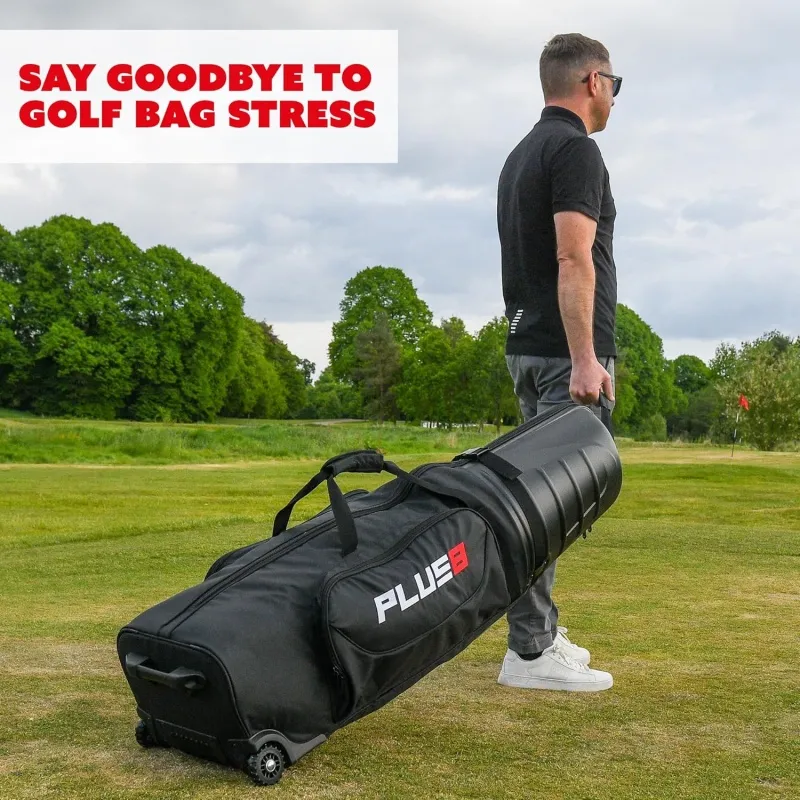
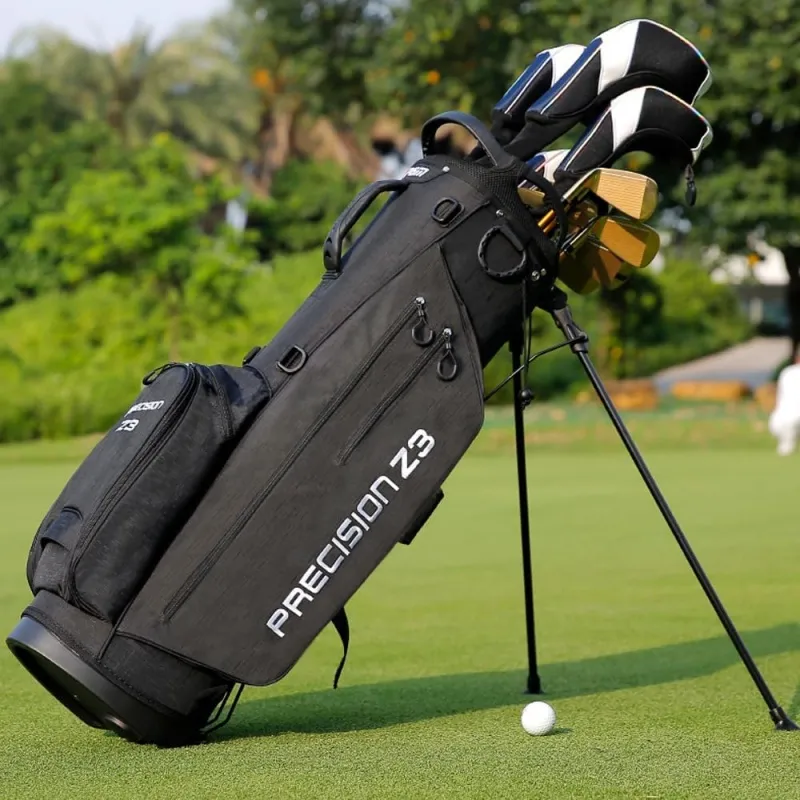

Most golfers obsess about clubs and swing mechanics, but the quiet truth is your golf bag’s shape affects how you practice. A bag that’s easy to organize, move, and adapt turns a haphazard practice session into focused reps. This article explores how the right golf bags make practice more efficient, help you build better habits, and keep your clubs and routine runway-ready. Expect practical scenarios, coach-tested tips, and one golf bag example that actually helps you get better.
Why the Practice Bag Matters More Than You Think

Think about a training session that ran well: you had the right clubs out, your range routine flowed, and you finished with a sense of accomplishment instead of a bag full of chaos. That’s the bag doing quiet work. Good golf bags reduce friction—less searching, fewer missed swings, and fewer excuses to stop early. In short: an organized bag helps you practice longer and smarter.
Three Practice Scenarios and the Bag Features That Help Them
1) Quick Range Sessions (30–45 Minutes)
When time is short, you want fast access to the clubs you’re drilling. A bag that lets you pull a mid-iron and stow it back without a fight keeps reps tight.
What to Favor in Your Golf Bags:
- Easy-access top opening so you can swap clubs in a snap.
- A dedicated, visible pocket for tees and training aids so you don’t waste swings looking for small items.
- Lightweight carry design that makes getting to the range effortless.
Outcome: fewer interruptions → more swings → better muscle memory.
2) Full Practice Blocks (90–120 Minutes)
Longer sessions require thoughtfulness: hydration, alignment tools, and a backup plan for variable weather.
What Your Golf Bags Should Support:
- Smart pocket layout to separate training aids (alignment sticks, ball markers), snacks, and a towel.
- Durable materials that tolerate repeated handling and occasional spills.
- A comfortable strap system if you walk between stations.
Outcome: You stay focused on skill work rather than logistical tedium.
3) Practice + Play (Practice Then Nine Holes)
The ideal practice bag lets you train, then transition to play without a gear swap.
What Matters for Hybrid Sessions:
- Balanced storage so the bag stays comfortable for walking but still holds extras for practice.
- A top that keeps clubs organized for both practice and course use.
- A tidy valuables pocket for phone and wallet so nothing gets misplaced between range and tee.
Outcome: Efficiency that respects both your time and your momentum.
Training Tools That Pair Well with Practice-Oriented Golf Bags
Certain training aids become useless if they’re buried in a bottom pocket. Here’s what to keep within reach:
- Alignment sticks—place in an exterior sleeve for quick access.
- Ball markers and extra tees—a small zip pocket saves time.
- Towels and grip cloths—mount on a carabiner or external loop so they’re always near your hand.
- Small notebook or phone—keep notes or track what you practiced without digging.
Good golf bags provide obvious homes for these items, which increases the chance you’ll use them consistently.
Coaching Routines Made Easier by the Right Bag
Coaches prefer players who arrive organized—it saves lesson time. When your golf bags are set up for training, a coach can quickly assess and drill specific moves instead of playing bag wrangler.
Try This Coach-Friendly Setup:
- Top compartment: clubs for the session (short game vs. full swing).
- Middle pocket: training aids (alignment, swing plane tools).
- Small front pocket: tees, markers, and a pencil for notes.
- Side pocket: hydration and snacks to keep energy stable.
This layout lets a coach spend 80% of the lesson on technique, not on fetching gear.
Golf Bag That Supports Serious Practice
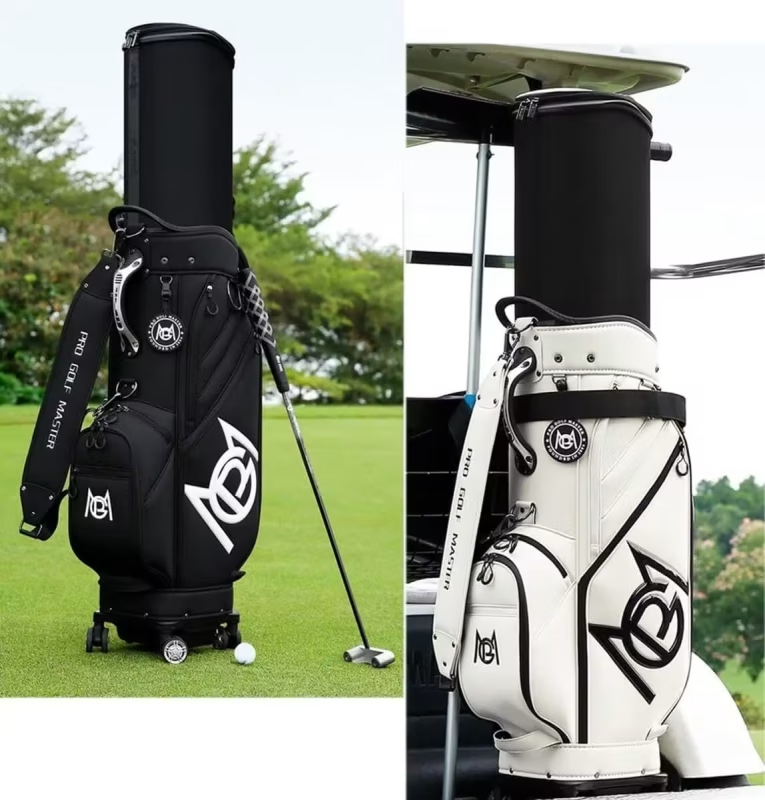
If you’re picking one of the golf bags to optimize training, consider an upright design that blends organization and easy mobility. An upright golf bag (with a premium exterior and thoughtful compartment layout) makes it simple to organize clubs for different drills, stash alignment sticks externally, and move between range stations without fumbling. It’s the kind of bag that supports disciplined practice and looks put-together at the same time—a small confidence booster before every session.
Practical Routines for Using Your Practice Bag
Adopt a three-step pre-practice ritual to keep your sessions efficient:
- Pre-pack: 10 minutes before you leave, place the clubs you expect to use in the top slots and put training aids in the designated pocket.
- Station setup: walk the range and place alignment tools where they’ll be visible. Keep water accessible.
- Post-session reset: after practice, wipe sweaty grips, dry the bag if wet, and return items to their homes so next time you’re ready immediately.
These tiny routines leverage your golf bags to create consistent practice behavior—the real engine of improvement.
Mistakes to Avoid with Practice-Focused Bags
- Overstuffing: a bag cluttered with unused tools slows you down.
- Inconsistent organization: if you move items between pockets each time, you lose training time searching.
- Ignoring mobility: if your bag is hard to move, you’ll avoid walking practice stations and reduce the quality of reps.
A practice-friendly bag should be an enabler, not an obstacle.
How Practice-Friendly Golf Bags Improve Long-Term Progress
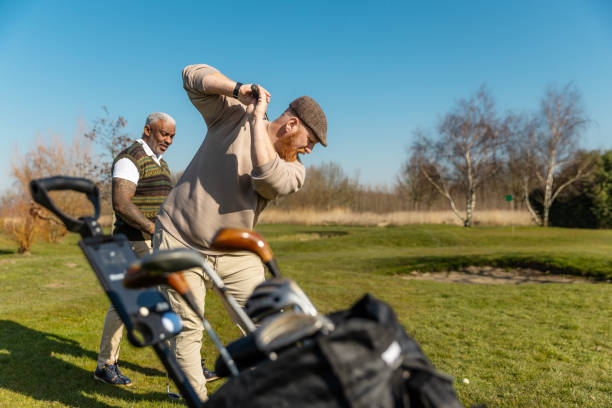
The most important metric for improvement is not how many golf bags you own but how consistently you practice. When your golf bags make practice convenient and pleasant, you’re more likely to show up, stay on task, and track progress. Over weeks and months, that consistency compounds into measurable improvement.
Final Thoughts and a Practical Nudge
If serious practice is part of your plan, treat your golf bags as a training partner. Invest in one that helps you organize, move, and transition without fuss. For golfers who blend training and play, an upright, well-organized bag can be a quiet productivity tool—reducing friction and letting your swing do the talking.
Upgrade to practice-ready golf bags—organize your gear, train smarter, and hit better shots today.