
If your golfing schedule falls during a specific time of the week, choosing the right golf bags is more important than you might think, such as after getting off work, before dinner, or during your lunch break. The right bag makes commuting painless, keeps clubs protected on the go, and helps you switch from office mode to tee time without a hassle. This commercial guide walks through realistic commuter scenarios, what to prioritize in a bag, and how smart golf bag picks can unlock more rounds and less friction.
Why Commuter Golfers Need a Different Kind of Golf Bag
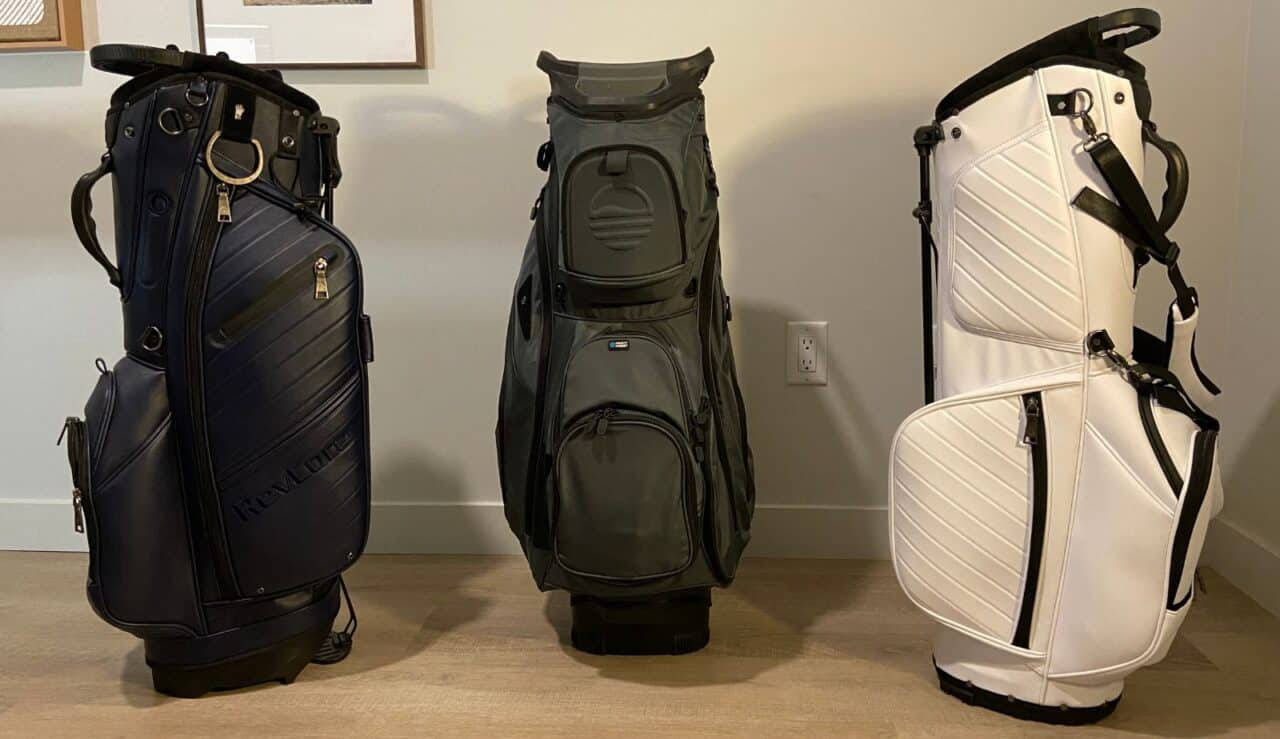
Commuter golfers live between two worlds: they’re at a desk most of the day but expect peak performance on the green. That split lifestyle changes the priorities for golf bags. You want something compact enough to fit in a car trunk or public transit, light enough to carry from the parking lot to the clubhouse, and organized so you don’t waste practice time hunting for tees or a rain cover.
In short: commuter-friendly golf bags make golf realistic for busy lives. They encourage consistency, which is the secret to improving—and to enjoying more spontaneous rounds.
Four Commuter Scenarios and the Right Bag Habits
1. The Office-to-Course Spinner
You drive from work to a nearby course and prefer to keep things streamlined. For this player, a golf bags setup should be compact, easy to load, and unlikely to spill water bottles into the trunk.
Bag habits:
- Keep all valuables in a single lined pocket for office essentials.
- Stow a lightweight rain cover within arm’s reach.
- Use a bag that balances well when carried short distances.
2. The Public-Transit Player
If you take a tram or train, size and handle ergonomics matter. Your golf bags must be comfortable on a shoulder and not a public nuisance.
Bag habits:
- Use padded dual straps for even weight distribution.
- Prefer streamlined profiles that don’t block aisles.
- Consolidate small items—wallet, keys, phone—into one secure pocket.
3. The Hybrid Commuter (Drive + Walk)
This is the player who parks a little farther to log steps before teeing up. A hybrid golf bags mentality blends lightness with capacity.
Bag habits:
- Pack minimally for the walk, then use cart storage for extras if needed.
- Keep hydration accessible but secure.
- Prioritize a durable base and a reliable stand so the bag stays upright during quick prep.
4. The Travel-to-Work Golfer
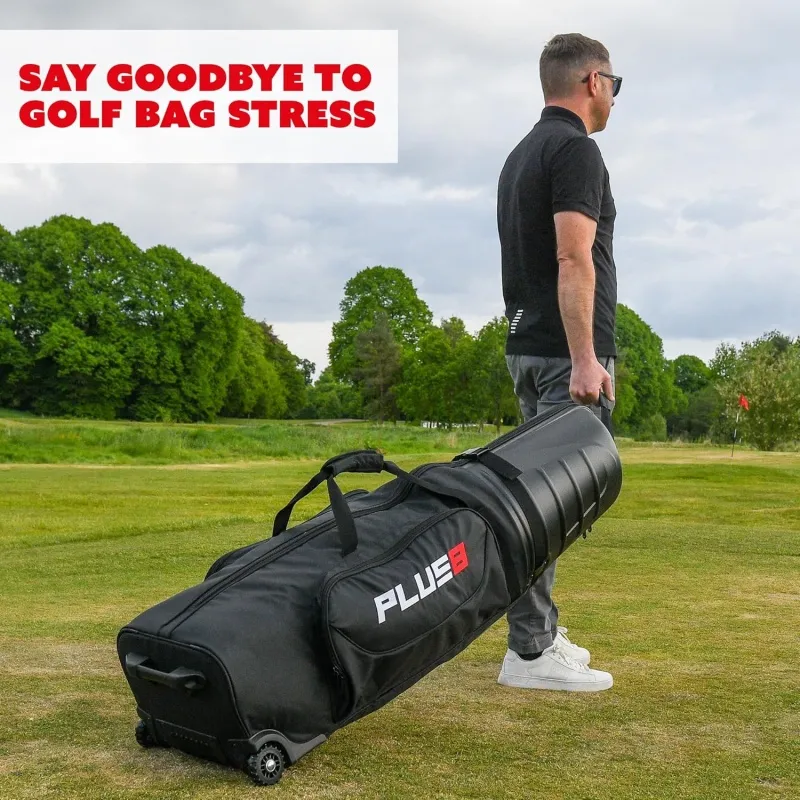
For someone flying during a business trip and squeezing in a round, the commuter mind-set extends into travel logistics. You want a bag that’s easy to check, carries through terminals, and is forgiving to airline handling.
Bag habits:
- Use protective covers or reinforced layers around club heads.
- Store locks or small luggage tools in an external pocket for quick access at check-in.
- Choose a bag that converts between travel mode and on-course mode without a toolbox of adapters.
What Commuter Golfers Should Prioritize in Golf Bags
When evaluating golf bags for a commuter life, think in terms of transitions—car to course, desk to green, and terminal to tee.
Key priorities:
- Weight and balance. A lighter bag keeps your shoulders and back happier after a long day.
- Top access and organization. Quick club selection matters when daylight is limited.
- Compact footprint. It should tuck into trunks, ride neatly on benches, and not be a subway hazard.
- Protective features. If your commute includes travel, reinforcement in key areas saves clubs later.
- Everyday pockets. A valuables pocket with lining, a simple drink holder, and a towel loop go a long way.
These priorities help you shortlist golf bags that fit the way you live, not just how you play.
Real-Life Pick: A Commuter-Friendly Option
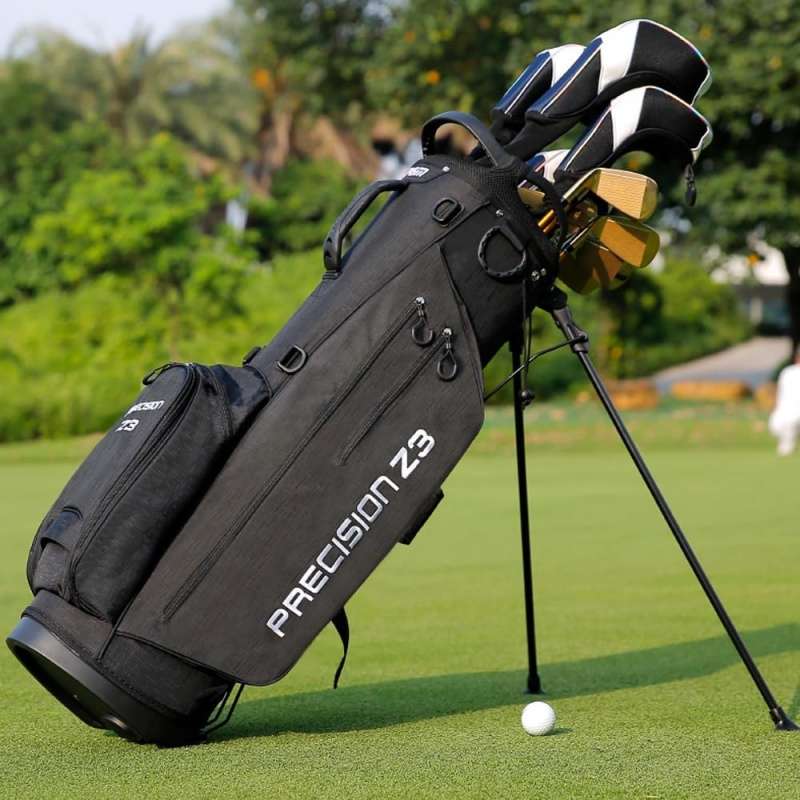
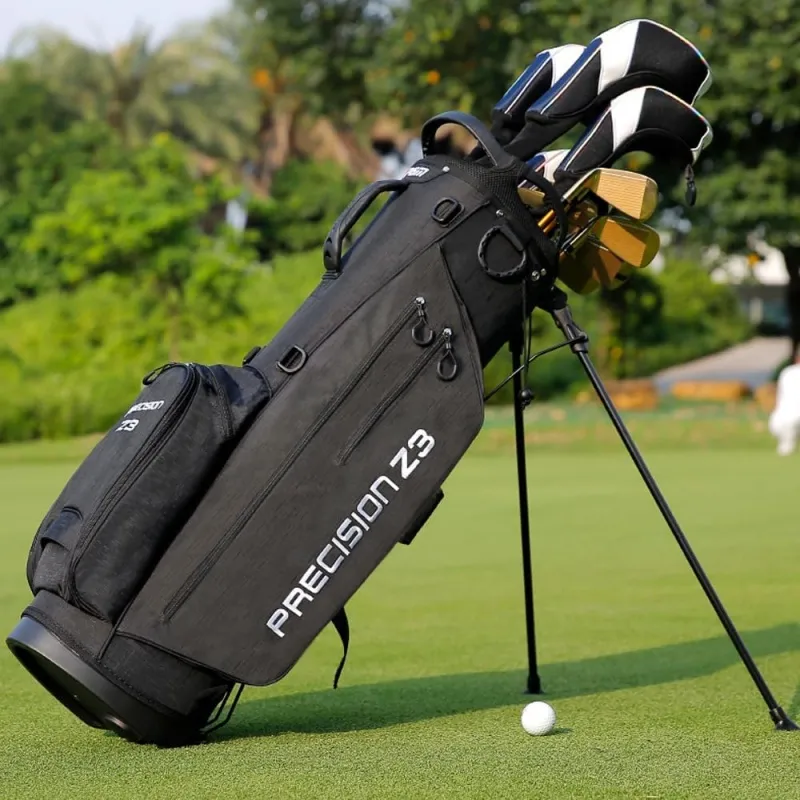
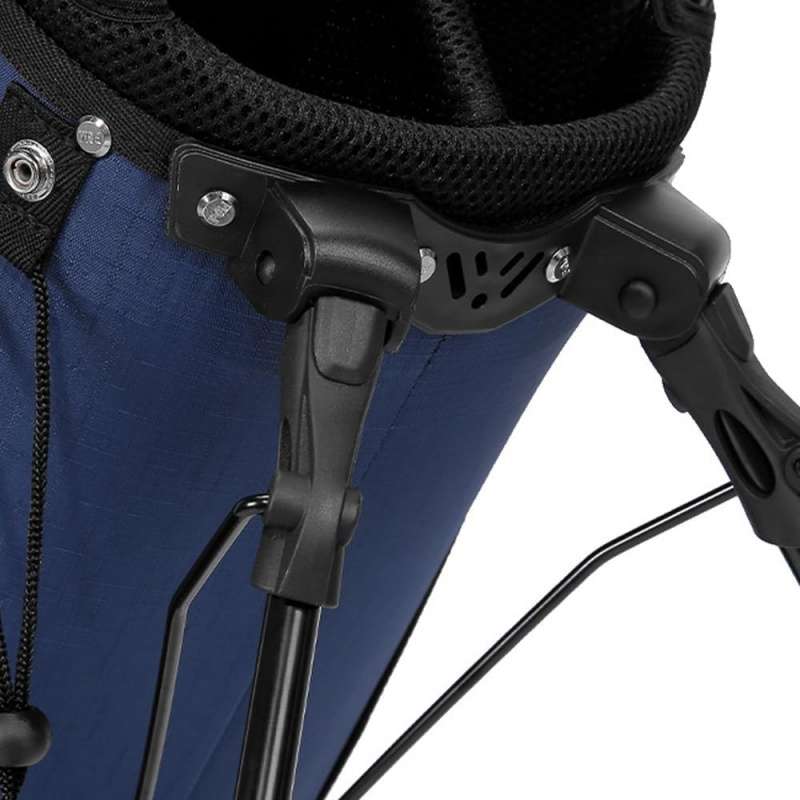
For many weekday players, a lightweight stand-style golf bag makes the most sense. A portable golf bag in durable nylon gives the right mix of low weight and stability: it’s easy to shoulder, stands cleanly at the tee, and its tidy top opening speeds club changes when time’s short. It won’t look out of place in a trunk or on a train, and it invites more walking rounds—which is the goal for busy players who still want to stay active.
Packing Strategy: What to Keep in the Commuter Bag
A thoughtful packing habit reduces stress and saves time.
Essentials to carry:
- One spare glove and a compact rain cover.
- A small pouch for keys, cards, and phones—keep it in the lined valuables pocket.
- A lightweight towel and an extra tee pack.
- A compact water bottle stowed in an insulated pocket.
Trim the excess: leave bulky extras at home or in your office locker so the bag stays commuter-friendly.
Quick Commuter Checklist Before You Leave the Office
- Are clubs secure and organized?
- Is the rain cover accessible?
- Are valuables in the lined pocket?
- Is your bag balanced and comfortable to carry for short distances?
A thirty-second pre-departure check prevents common commuter fails—broken tees, soggy wallets, and missed tee times.
Closing: Make Golf Fit Your Day, Not the Other Way Around
Commuter-friendly golf bags remove the friction between work life and play. By prioritizing portability, organization, and protection, you make it easier to accept last-minute invites and to keep your game on a reliable schedule. If you swing after work more than you swing on weekends, invest in a bag that respects your commute—it’s the small convenience that buys you more rounds and less hassle.
Find commuter-ready golf bags that balance weight, protection, and quick access—shop now.