
Ever stood on the first tee hunting for a tee, a glove, or the right wedge? The micro-friction of those moments chips away at focus. The secret many teaching pros won’t shout from the clubhouse: your golf bags can do mental work for you. Set up thoughtfully, a bag becomes an external memory—a simple system that reduces decision fatigue and keeps you in the present for better shots. This article explores the psychology behind an organized golf bag, practical ways to design one, and how the right bag can quietly improve your rounds.
Why Organization Matters More Than New Gear
We chase shiny drivers and distance gains, but the biggest on-course performance wins are often behavioral. Decision fatigue is real: every choice you make—which club, which marker, which glove—costs a little mental energy. When your golf bags are a mess, you spend that energy off the shot. When they’re orderly, you save it for setup, alignment, and commitment. The result: calmer pre-shot routines and fewer second guesses.
The External Brain: Make Your Golf Bag Remember for You
Cognitive psychologists call this “externalizing”—putting memory and rules into the environment so your brain can operate on autopilot for routine tasks. Your golf bags should do exactly that.
- Label pockets mentally (or literally). Decide one pocket = gloves; another = tees. Your hands will learn the map.
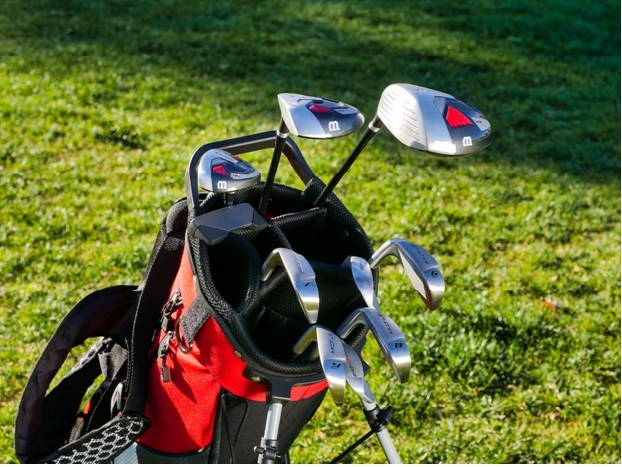
- Keep club order consistent. If your wedges always live in the same top slot of your golf bags, choosing the right loft becomes muscle memory.
- Create ritual cues. A clipped towel in one place signals “pre-shot routine started.” Small signals reduce doubt.
This design turns your golf bags into a dependable partner, freeing cognitive bandwidth for the shot ahead.
Build a Decision-Minimizing Setup in Three Steps
You don’t need to overhaul everything. A few deliberate choices make your golf bags smarter.
1. Standardize Club Placement
Always group clubs by how you use them, not by brand. Put scoring clubs (sand, lob, pitching) together so short-game decisions are fast. When the club you reach for is always where you expect it, your pre-shot process becomes crisp.
2. Pocket Logic and the “One-Touch” Rule
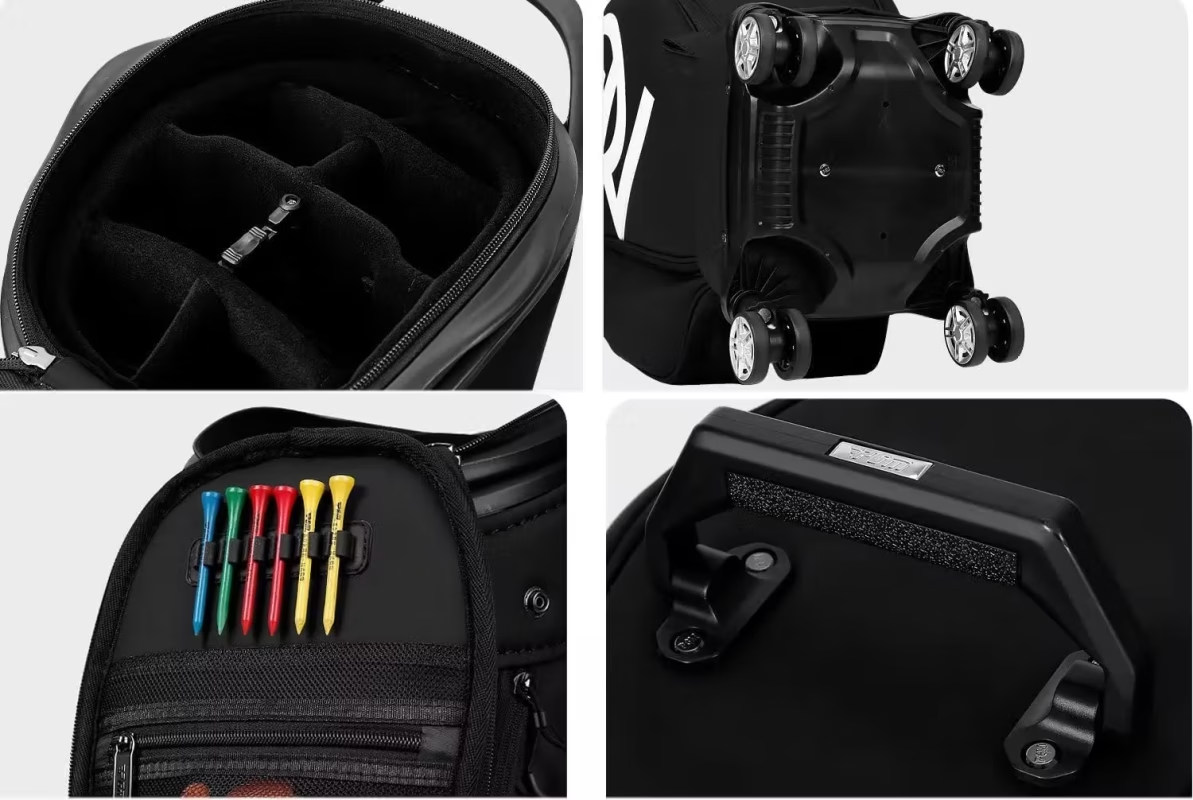
Make sure every essential has a single, obvious home. A lined valuables pocket for phone and wallet, a visible sleeve for tees, and a towel clip near the top opening. Your hands should find items without browsing. The fewer touches you need, the less you break concentration.
3. Reduce Visual Clutter
Too many accessories create noise. Keep training aids and extras in a dedicated travel pouch and only add them when needed. A clean golf bag surface reduces visual decision triggers and helps you commit to each shot.
When your golf bag follows these rules, it becomes a silent coach that nudges you toward consistency.
The Small Habits That Compound
Organization is a habit, and habits compound. Try these micro-routines to preserve your golf bag’s system:
- Reset for the next round: 60 seconds to return items to their homes.
- Mid-round refresh: after nine holes, check pockets and re-tuck essentials so the second half starts as clean as the first.
- Seasonal tune-up: once a quarter, clean and re-evaluate pocket roles—your needs change, and your golf bags should adapt.
Over a season, these tiny acts save minutes and avoid scrambling during tight moments.
When the Bag Itself Does the Work
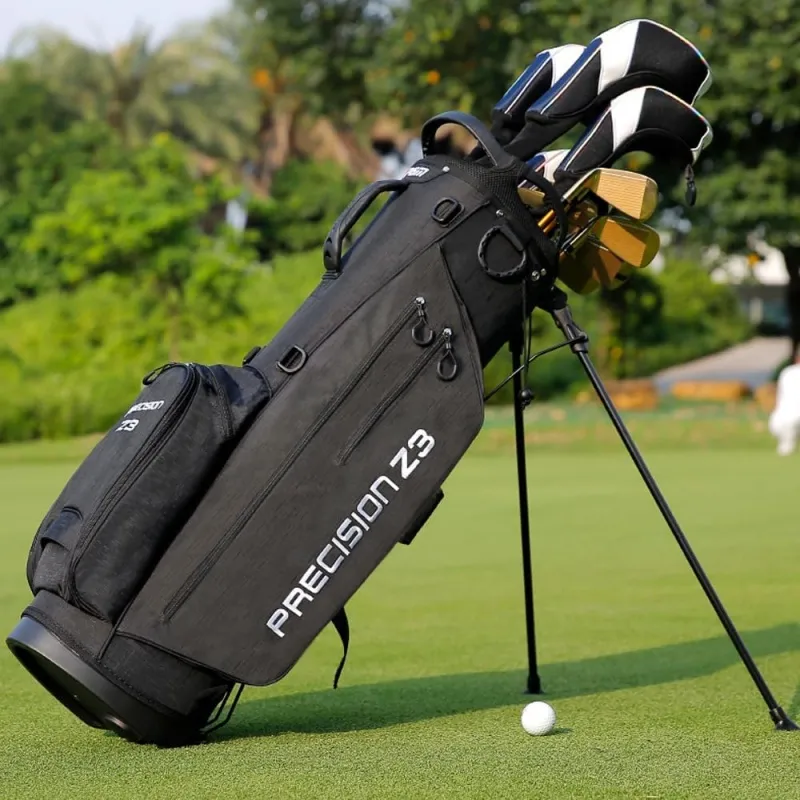
Product choice matters. A bag with intuitive dividers and sensible pocket placement reduces the need for hacks. For players who want organization without fuss, an upright-style option often does the trick—it provides clear compartments and effortless access, so your golf bag supports your mental game rather than competing with it.
Imagine reaching for a wedge on the 18th after a long day and finding it exactly where you trained your hands to expect it: that steadying moment is the payoff of good design and a disciplined setup.
Real-World Gains: Focus, Pace, and Confidence
Players who streamline their golf bags report three consistent wins: faster pace of play, fewer interrupted routines, and stronger confidence on short decisions. Less time digging means more time visualizing and rehearsing the shot. You’ll notice fewer flustered swings and more clean contacts—not because the bag improved your swing, but because it preserved the mental energy your swing needs.
A Human-Friendly Recommendation
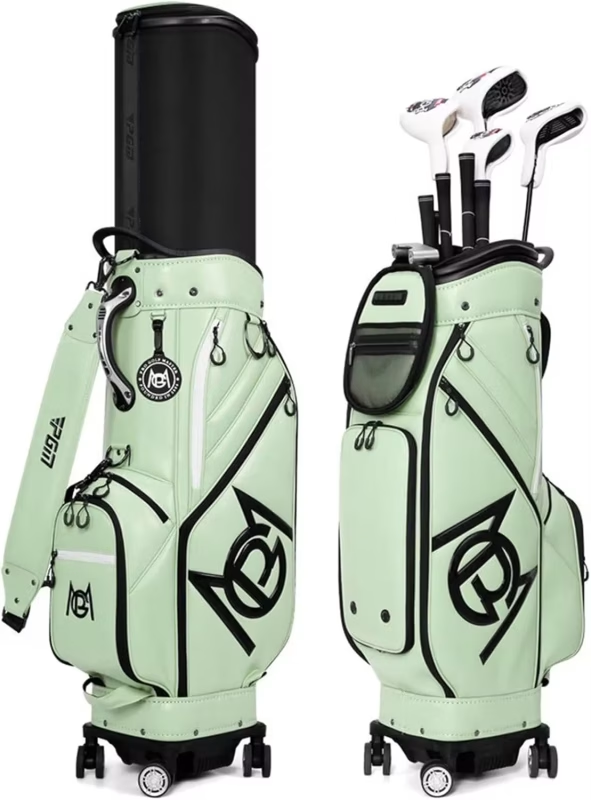
If you want a low-friction path to better focus, consider a bag that emphasizes organization and easy access. An upright golf bag—with well-arranged compartments and reliable mobility—makes it simple to standardize club placement and pocket roles. It’s not about spending more; it’s about choosing a partner that reduces distractions and keeps you mentally present for your best shots.
Final Thoughts
Your golf bag can be more than a carrier; it can be a tool for mental clarity. Treat it as part of your pre-shot system. Build predictable homes for your gear, stick to small reset habits, and choose a bag that helps rather than hinders. Do that, and you’ll find the course gives you more focus, fewer distractions, and a cleaner scorecard.
Choose golf bags with intuitive organization to reduce distractions—find an upright, organized golf bag today.