
Buying your first golf bag can feel like learning a new language: dividers, stands, cart-fit, and travel protection. If you’re new to the game, the right bag does three things—keeps your clubs organized, lets you move comfortably, and grows with your game. This guide walks new players through realistic scenarios, simple setup choices, and one practical bag pick that gives beginners room to evolve without overcomplicating things.
Start With How You’ll Play—the Scenario Checklist

Before you fall for looks or a sale, think about how you’ll actually use your golf bags. Most beginners fall into daily patterns that map to different bag priorities:
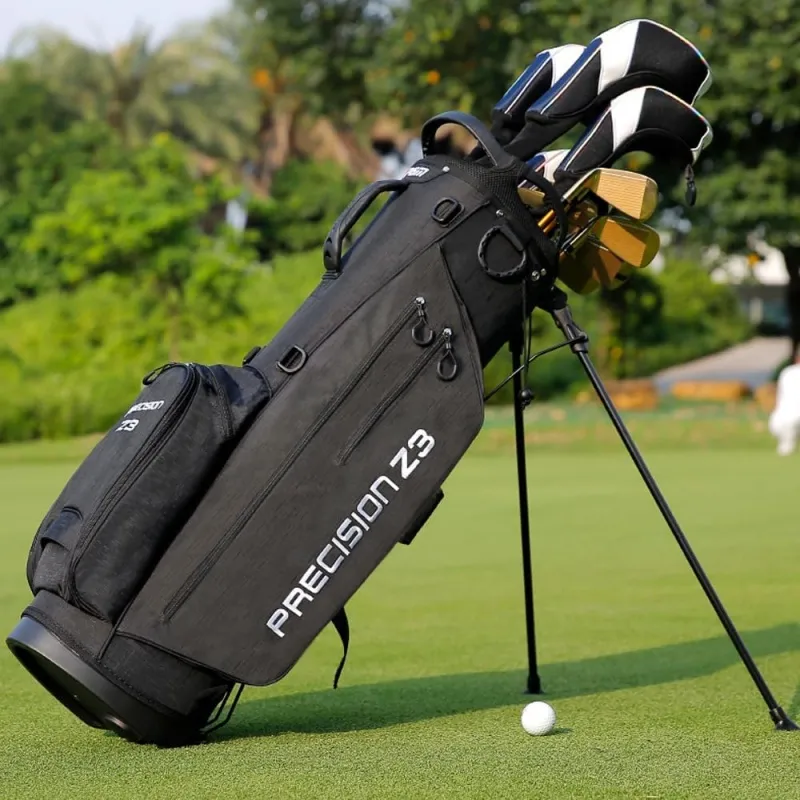
- Walk-first learners: If you plan to walk practice rounds or enjoy the exercise, a golf bag that’s comfortable to carry and light on the shoulders is your best friend. Look for supportive straps and a stable stand so you can set the bag down quickly between shots.
- Cart-first starters: If your home club is cart-heavy, prioritize a golf bag that sits snug on a cart and gives quick access to clubs and pockets. A low, stable top and sensible pocket layout keep rounds efficient.
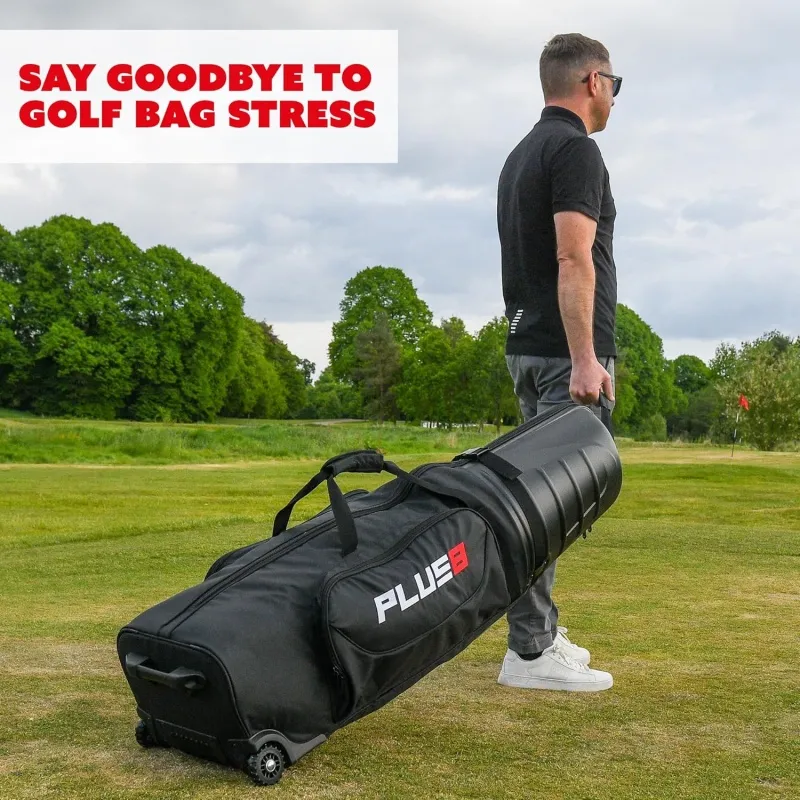
- Traveler or club-hopper: If you’ll ferry clubs between courses or travel occasionally, consider a golf bag with protective features or one that pairs easily with a travel case. Durability matters more than minimal weight.
- Hybrid players: Many beginners try a mix—walking some days, carting others. For them, a balanced golf bag that doesn’t lean too heavily toward one style is the smart compromise.
Match your bag to the scenario you expect to live in. It prevents regret and keeps the focus on learning your swing, not wrestling with gear.
Which Features Actually Help Beginners and Which Don’t
The market can convince you every feature is essential. For a first golf bag, prioritize these practical elements:
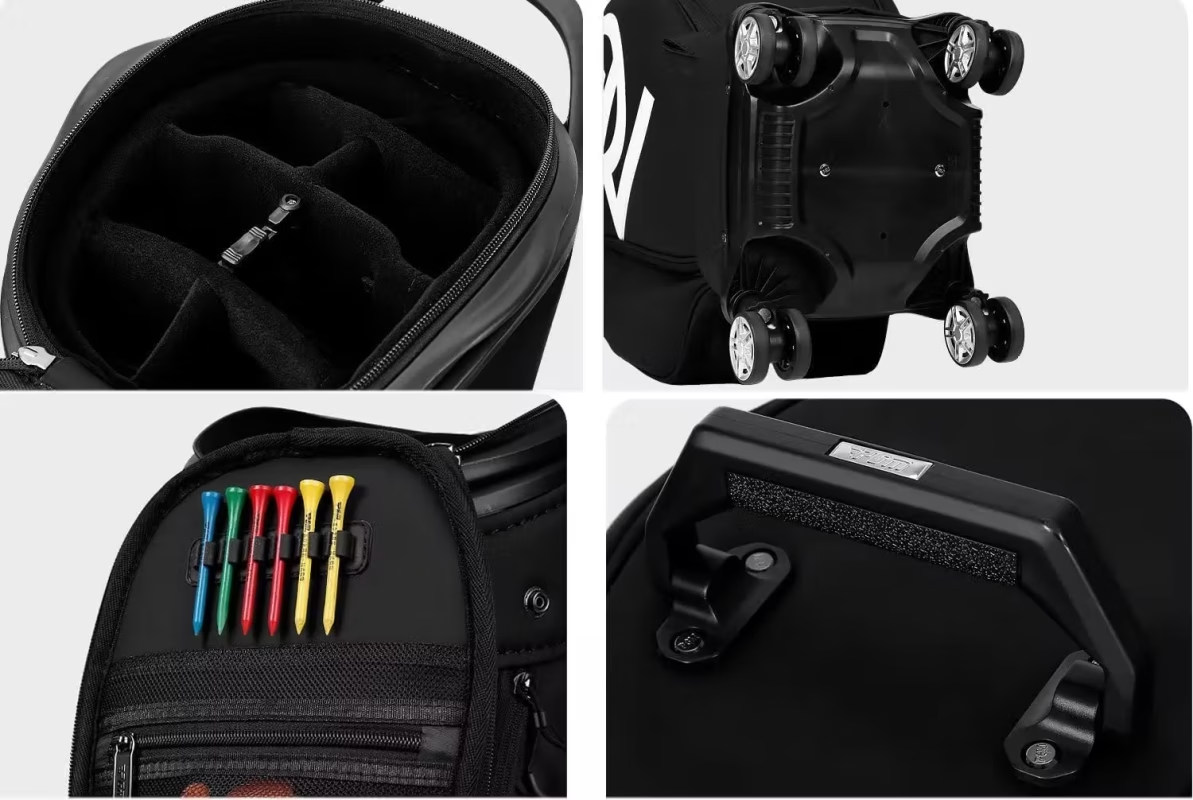
- Easy club access: A top that makes swapping clubs simple keeps your tempo steady during practice.
- Sensible pocket layout: A small valuables pocket, a place for a water bottle, and an easy-reach tee pocket beat a hundred novelty compartments you’ll never use.
- Stable stand or cart compatibility: If you walk, a dependable stand is a must. If you ride, make sure the bag won’t flop around on a cart.
- Simple protection: A little water resistance and a cover for rainy days protect your clubs and keep you playing through weather.
Avoid getting distracted by over-the-top features—expensive bells and whistles matter less than a bag that makes practice comfortable and uncomplicated.
How to Set Up Your First Golf Bag: A Beginner-Friendly Routine
Setting up your golf bags should be a five-minute habit, not a project. Here’s a simple routine that keeps your clubs organized and your pre-shot routine consistent:
- Top slots for frequency: Place the clubs you reach for most (short irons and putter) in the top slots. That reduces fumbling during short-game practice.
- Tool pocket: Put tees, markers, and a small multi-tool in one front pocket. One touch, one reach.
- Hydration and layers: Keep a compact water bottle and a foldable jacket in an outer pocket—weather changes a lot, and you’ll be glad it’s within reach.
- Towel and retrieval: Clip a towel near the top so gripping and cleaning are automatic.
- Weekly reset: Every week, empty, wipe, and re-check your golf bags so dust and grit don’t shorten the gear’s life.
This setup keeps your routine predictable and your mind focused on improving instead of searching.
One Beginner-Friendly Pick: Why an Upright Golf Bag Makes Sense
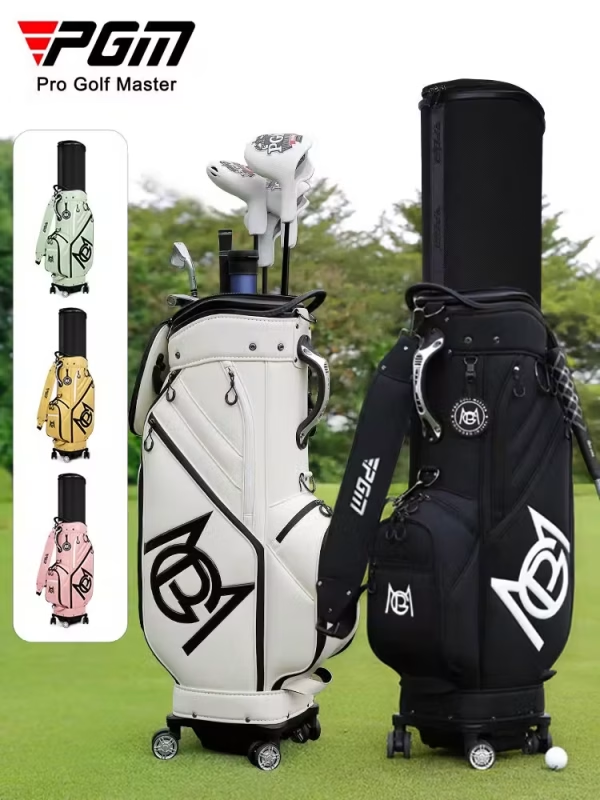
If you want a single example that suits many beginners, consider an upright golf bag. It bridges the gap between organization and comfort in a way that new players appreciate:
- It offers clear compartments that make club selection intuitive on the course.
- The dual-carry options and stable base ease the transition between walking practice and cart rounds.
- Built to resist weather and daily use, it reduces the small hassles that discourage new players.
In human terms: an upright golf bag is forgiving. It manages your gear so you can manage your learning curve.
Budget Tips for New Players
You don’t need to spend a fortune to get a helpful golf bag. Try these practical savings moves:
- Buy basic and upgrade later—get a solid mid-range bag that’s repairable rather than the cheapest novelty.
- Check local clubs for gently used options; many members sell lightly used golf bags after a season.
- Prioritize repairability: a bag with replaceable straps or simple hardware saves money over time.
Start with what supports your play, not what looks best in a locker-room photo.
Quick Troubleshooting for First-Time Owners
- Bag feels heavy after nine holes? Shift nonessential items to your car and keep only what you need.
- Zippers sticking? A small silicone lubricant makes them glide and keeps the bag functional.
- Clubs tangled? Reassess divider placement so similar clubs sit together.
These small fixes keep your golf bags from becoming a chore and keep your focus on improvement.
Conclusion—Let the Bag Support the Game, Not Complicate It
For beginners, the perfect golf bag is one that fades into the background while your practice takes center stage. Focus on real-world needs—how you’ll move, where you’ll play, and what you’ll carry. An upright golf bag is an excellent beginner pick if you want a practical blend of organization, mobility, and durability that grows with you. Choose one, set it up with the simple routine above, and spend your energy on the swing.
Start with golf bags that support learning—choose an upright option for organized, stress-free play.