
Buying the right golf bags means matching materials to use cases—from damp mornings on local courses to cross-country flights. This guide explains which fabric, shell, and hardware choices actually matter for longevity and performance. Read on for practical takeaways and product-aligned recommendations you can use today.
Why Materials Matter
Materials determine how your golf bags handle weather, wear, and travel. A well-chosen material keeps clubs dry, resists abrasion, and avoids premature failure of zippers, straps, and wheels. Think of the bag as insurance for your clubs: spend wisely now to avoid costly repairs later, and enjoy a cleaner, quieter round.
Common Materials and What They Do
Nylon—the Everyday Workhorse
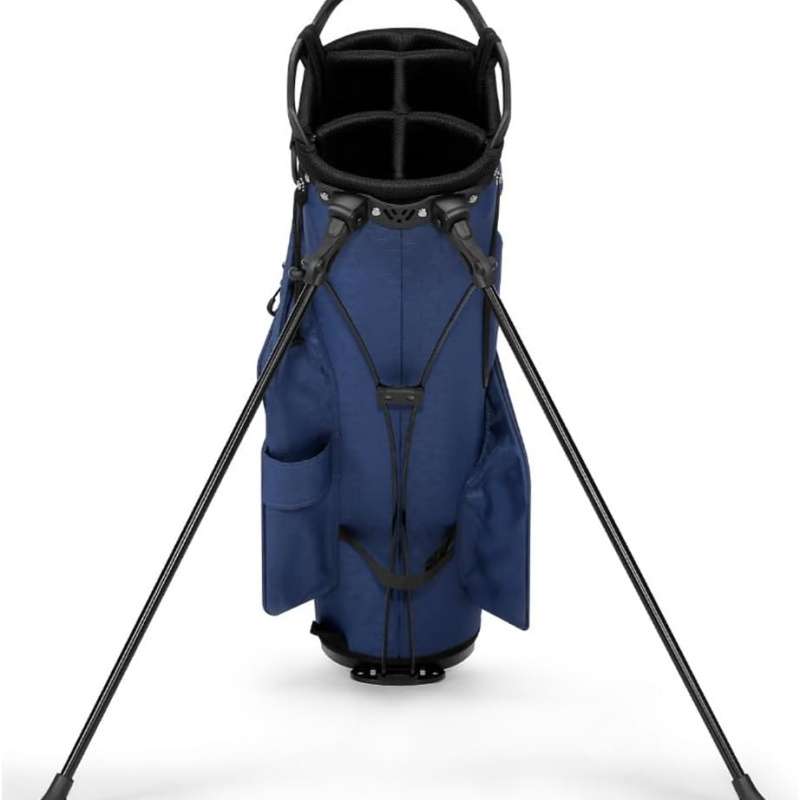
Nylon shows up in many golf bags because it’s light, flexible, and weather-tolerant. The Portable Golf Bag and the Golf Cart Travel Bag both use nylon to achieve a balance of portability and toughness. For a walker who covers nine holes in humid conditions, nylon performs reliably and cleans easily after a muddy round.
Microfiber Leather—Premium and Protective
If you want a bag that reads “premium” in the clubhouse and resists scuffs over time, microfiber leather is an excellent choice. The Upright Golf Bag uses high-end skin-feel microfiber leather to blend water resistance with a softer touch. Admittedly, the Upright Golf Bag weighs a bit more than 5 kg, but for many golfers, this weight translates to a level of aesthetics and durability that nylon simply cannot match.
ABS and Reinforced Shells—Airline Armor
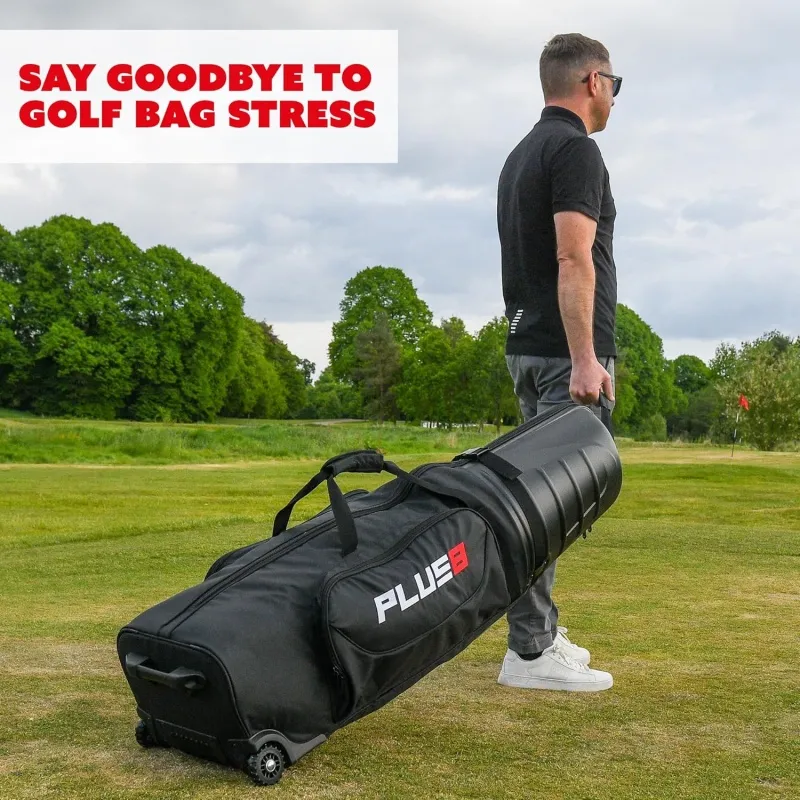
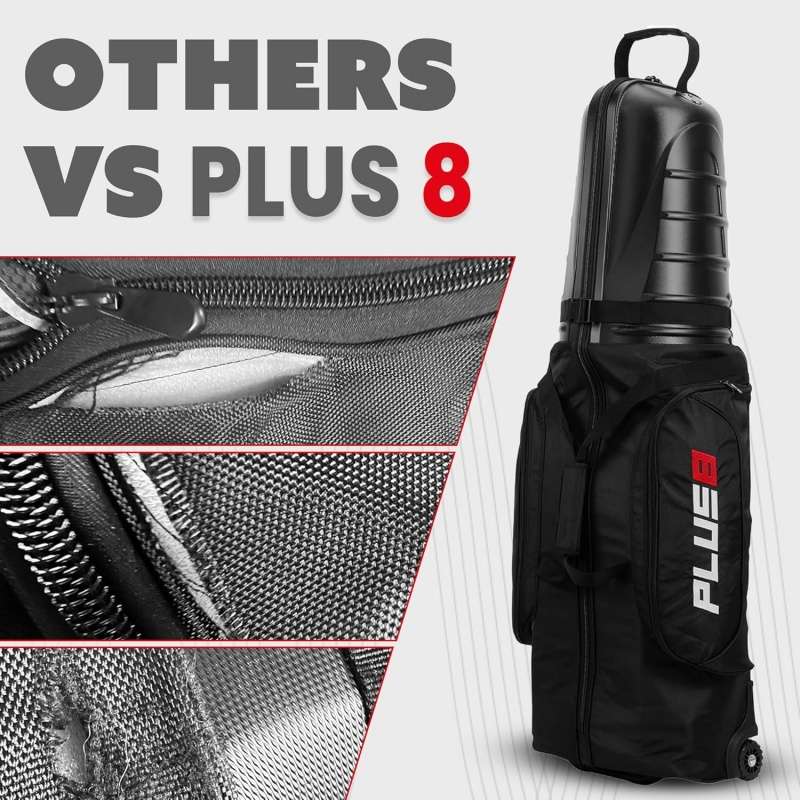
Traveling golfers should prioritize structure. The Plus 8 Hard Case Golf Travel Bag combines 1680D nylon with an ABS reinforced top to protect clubs during baggage handling. A hard-top design absorbs impact differently than soft-sided bags, shifting stress away from zippers and seams.
Construction Beats Buzzwords
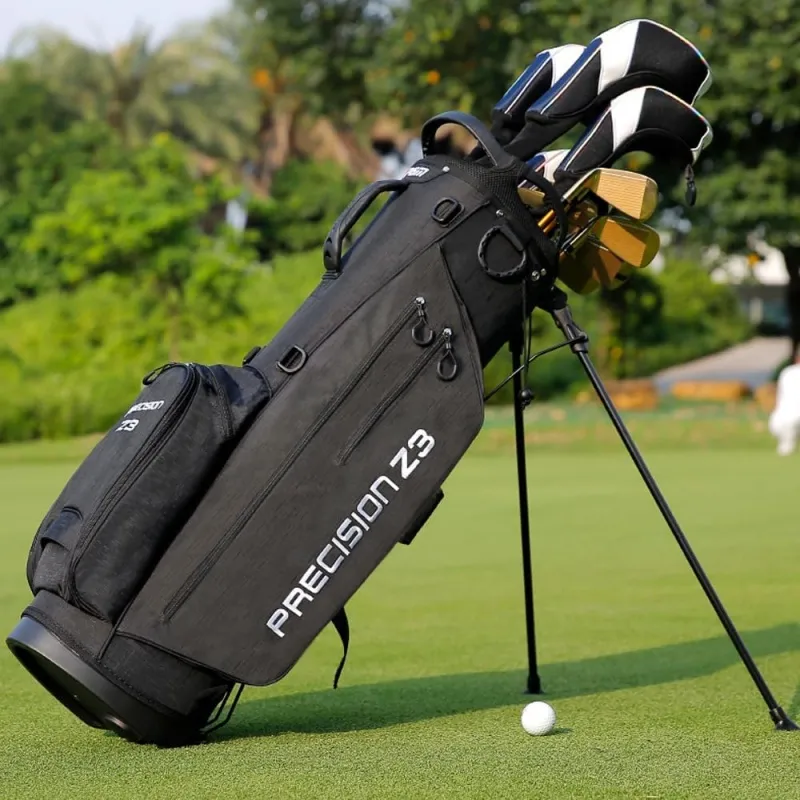
Don’t be dazzled by single-word claims. Reinforced stitching, quality zippers, and secure hardware reliably predict lifespan more than fancy marketing text. The Portable Golf Bag stands out with its reinforced tripod stand and ergonomic dual shoulder straps—features that reduce wear by distributing load. Meanwhile, the Plus 8 Hard Case hides a practical detail: the lock is stored inside the included dust bag, making it less likely to bend or break during transit.
Weather Resistance—Realistic Expectations
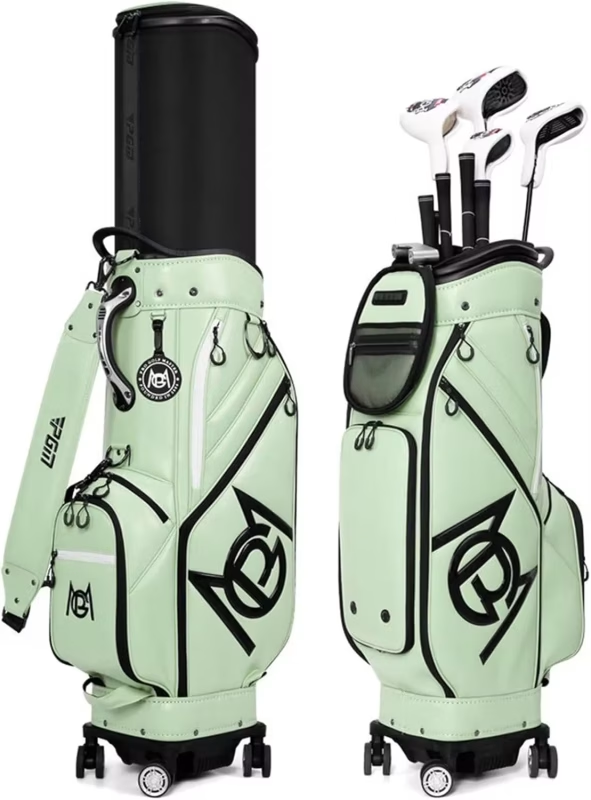
“Waterproof” isn’t a promise; it’s a spectrum. The Upright Golf Bag explicitly notes waterproof properties and includes a rain cover—a simple but effective addition. Nylon bags usually offer splash and light-rain resistance, but seams and pockets are the weak spots. Real testing: pour water on seams and see if drip-through appears; if it does, plan to use a rain cover.
Weight, Durability, and the Real Trade-Offs
Weight affects how you feel after 9 or 18 holes. The Portable Golf Bag is 2 kg and built for walkers; the Golf Cart Travel Bag is 3.1 kg and supports a 5-way divider for organized storage; the Upright Golf Bag offers premium materials at 5 kg and more compartments. Think about how you move: if you’re carrying, save weight; if a cart or trolley does the heavy lifting, prioritize features and protection.
Dividers, Pockets, and Organizational Hygiene
Dividers reduce impact between club heads and speed up club selection. The Golf Cart Travel Bag’s 5-way divider helps prevent collisions and keeps clubs orderly. For players who like to carry a lot of extras, the Upright Golf Bag’s eight compartments (including a shoe pocket and cap pocket) separate messy items from clubs. Good pocket design matters for hygiene too—insulated pockets for drinks, lined valuables pockets, and easy-access glove compartments keep the bag user-friendly.
Hardware, Wheels, and Moving Parts
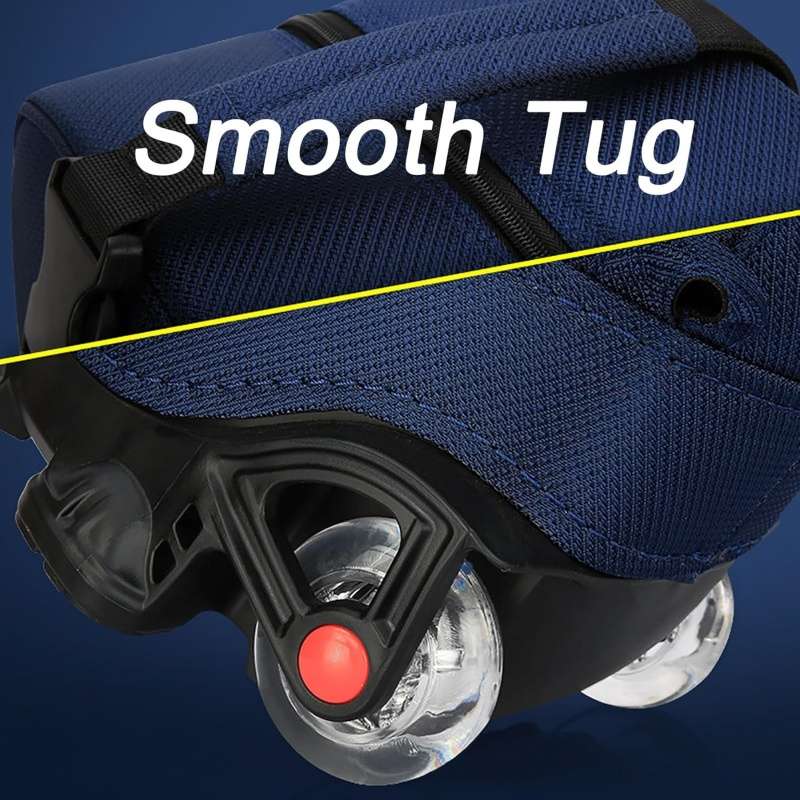
Moving parts break first. Wheels and stand mechanisms are high-use items and deserve attention. The Golf Cart Travel Bag features silent swivel wheels for smooth transport, while the Upright Golf Bag’s 360° universal wheels are perfect for tight clubhouse navigation. For travel, smooth rolling wheels and a reinforced top combine to reduce stress on the bag’s shell.
User Scenarios: Which Materials Suit Which Player
- If you walk, favor a lightweight nylon model like the Portable Golf Bag with dual shoulder straps and a stable tripod stand.
- If you ride or use a trolley, a 5-way divider and moderate weight (as in the Golf Cart Travel Bag) are ideal.
- If you chase premium looks and organization, microfiber leather in the Upright Golf Bag gives a refined presence.
- If you fly often, the Plus 8 Hard Case Golf Travel Bag’s reinforced ABS top and 1680D nylon construction are built to withstand airline handling.
Maintenance Schedule to Extend Service Life
Regular maintenance stretches lifespan more than any material choice. Wipe down and dry your bag after wet rounds; clean wheels and lubricate axles; repair loose stitching right away. For hard-case users, wipe out salt and grit and check the dust bag for the stored lock—keeping that lock dry reduces rust risk.
Inspection Checklist for Buyers
When inspecting golf bags in person, focus on top-rail stitching, strap attachments, zipper robustness, seam sealing, wheel play, and whether the stand deploys smoothly. Open every pocket and tug at seams; manufacturing shortcuts are often visible in stress points.
Real Cost vs Perceived Value
A higher upfront cost for solid materials and construction often translates to lower lifetime expense. A mid-range nylon bag that lasts five seasons beats a cheap bag that needs replacement twice. For travelers, avoiding one expensive club repair can pay for a reinforced travel shell.
Sustainability and Repairability

Some materials are easier to repair than others. Nylon panels and zippers can be stitched or replaced; hard-shell components are harder to repair but protect contents. Ask manufacturers about replacement parts, warranty, and after-sales support—SaleGolfBags, for example, includes after-sales contact with a 24-hour email response promise.
FAQs and Quick Answers
Q: How often should I replace my golf bags?
A: It depends on use. Heavy users who travel weekly should reassess every 2–3 years; casual players often keep a well-made bag for 5+ years. Inspect seams and straps annually.
Q: Can I expect waterproof performance from all golf bags?
A: No. Waterproof claims vary. Some golf bags deliver better protection; many nylon models are splash-resistant but rely on covers for heavy rain.
Q: Are repair parts available for golf bags?
A: Many brands offer replacement straps, zippers, and wheels. Ask about warranty and after-sales service before buying.
Q: Is a hard-case golf bag necessary for once-a-year flyers?
A: If you fly occasionally, a well-padded soft case may suffice, but frequent flyers should choose a reinforced travel bag like the Plus 8 Hard Case Golf Travel Bag for predictable protection.
Quick Maintenance Actions for Longer Life
- After wet rounds, unzip pockets and air-dry the bag.
- Wipe down microfiber leather with a damp cloth and mild soap.
- Rotate clubs occasionally to prevent permanent pressure dents.
- Tighten screws on wheels and handle assemblies every season.
- Store the bag upright and avoid chronic compression.
Comparison Snapshot—How These Golf Bags Stack Up
- Portable Golf Bag: Among lightweight bags, this model shines for walking—its 2 kg weight and tripod stand make it a daily driver.
- Golf Cart Travel Bag (trolley): For golfers who trust a cart, these golf bags balance organization and mobility with a 5-way divider and silent swivel wheels.
- Upright Golf Bag: These bags offer premium material choices and compartments for players who carry extras and want a polished look.
- Plus 8 Hard Case Golf Travel Bags: When it comes to travel protection, these golf bags use reinforced ABS tops and 1680D nylon to minimize impact damage.
Buying Timeline for Golf Bags
- 0–6 months: small fixes and break-in—test zippers and stands.
- 6–24 months: evaluate wheel wear and strap comfort.
- 2–5 years: expect maintenance or minor repairs for heavy users; consider replacement for cheaper models.
- 5+ years: with quality materials and care, many golf bags remain serviceable beyond five seasons.
Final Checklist for Comparing Golf Bags
- Match use case: pick golf bags designed for walking, cart, or travel to avoid compromises.
- Check materials: verify fabric and shell on golf bags to ensure weather resistance.
- Test straps and handles: lift the golf bags as you would on the course.
- Inspect dividers: open the top and confirm the layout fits your club set; well-designed golf bags reduce tangling.
- Confirm warranty and support: choose golf bags from brands that provide parts and customer service.
Wrap-Up and Shopping Advice
Use this guide to inspect and select golf bags based on material and use case. If you walk, choose a light nylon model; if you ride or travel, prioritize dividers and reinforced protection. Protect your investment with cleaning, repairs, and sensible storage—and pick the golf bags that suit your game.
Shop durable golf bags for walking, cart rides, and travel—find your fit today.