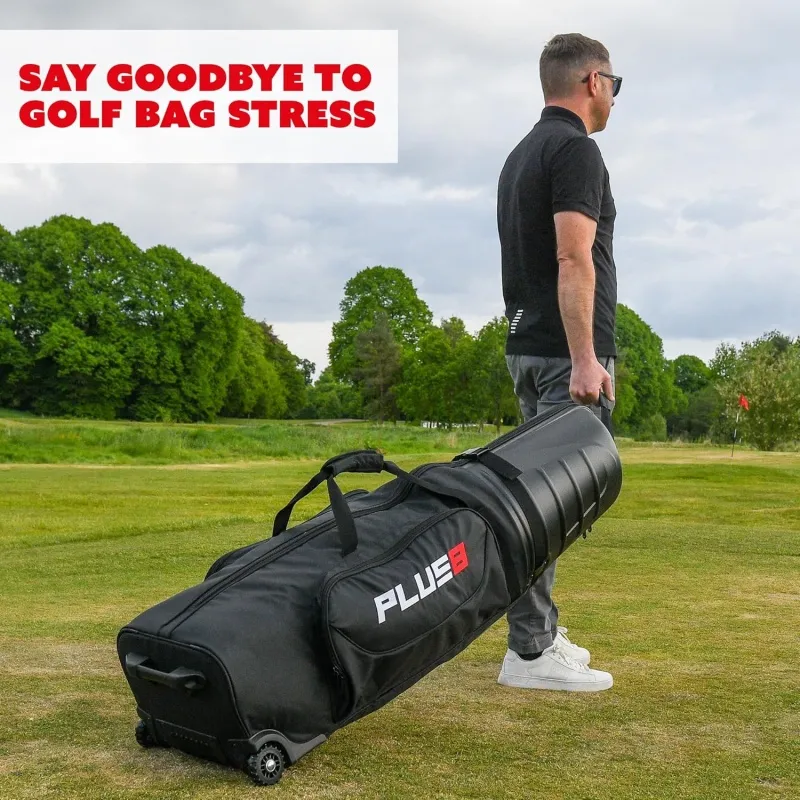
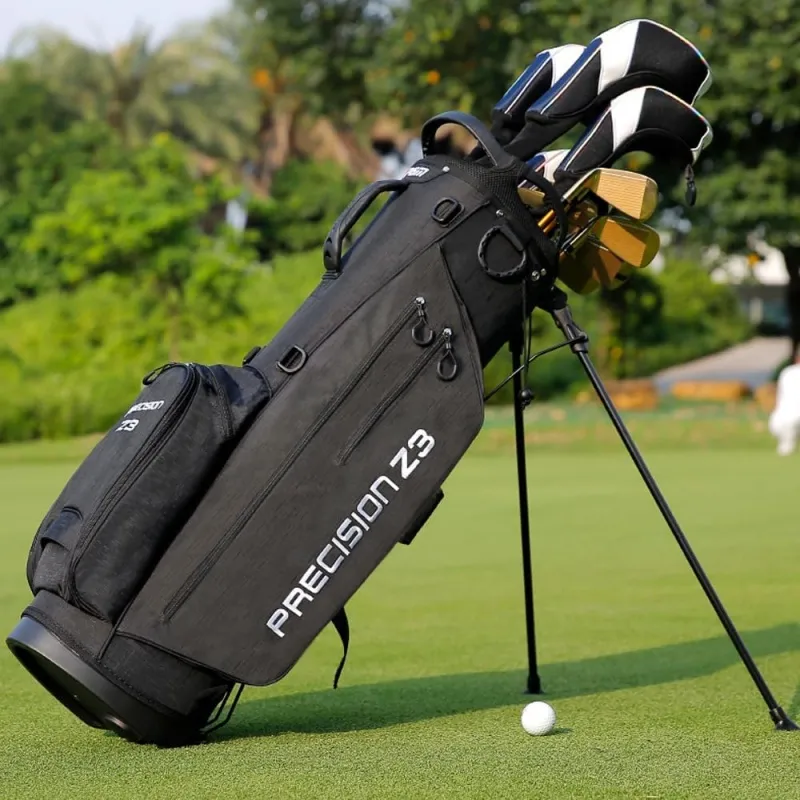

As we age, the small choices we make about gear matter more than ever—especially when it comes to golf bags. A thoughtful bag reduces strain, protects clubs, and keeps you moving comfortably from the car to the first tee. This informational guide explains what to look for in ergonomic golf bags, how to match features to your routine, and simple habits that let older golfers play more often and with less soreness.
Why Ergonomics in Golf Bags Matters for Aging Golfers

A worn shoulder, a stiff back, or a weak grip shouldn’t end your rounds. The right golf bags redistribute load, minimize awkward lifts, and make transitions smoother. Rather than treating a bag as an afterthought, think of it as a mobility aid: it helps you walk farther, recover faster, and keep club maintenance simple. In short, ergonomics extend the life of your game.
Core Design Features That Reduce Strain
Balanced Carrying Systems
Dual padded straps and well-placed grab handles make a big difference. Bags designed with wide, cushioned straps avoid pressure points and evenly distribute weight across the torso. When testing golf bags, simulate a short walk to feel whether the bag sits naturally on your back.
Low-Impact Weight and Smart Loading
A lightweight bag reduces cumulative fatigue, but so does smart loading. Keep heavy items low and toward the center to maintain balance. Some golf bags encourage this by placing pockets strategically—a small change that pays off after nine holes.
Stable Stands and Easy Deployment
A stand that deploys smoothly and locks reliably prevents bending and awkward reaches. Tripod-style stands and stable bases keep your bag upright on slopes, cutting down on the micro-movements that add up to pain later.
Wheels and Rolling Options
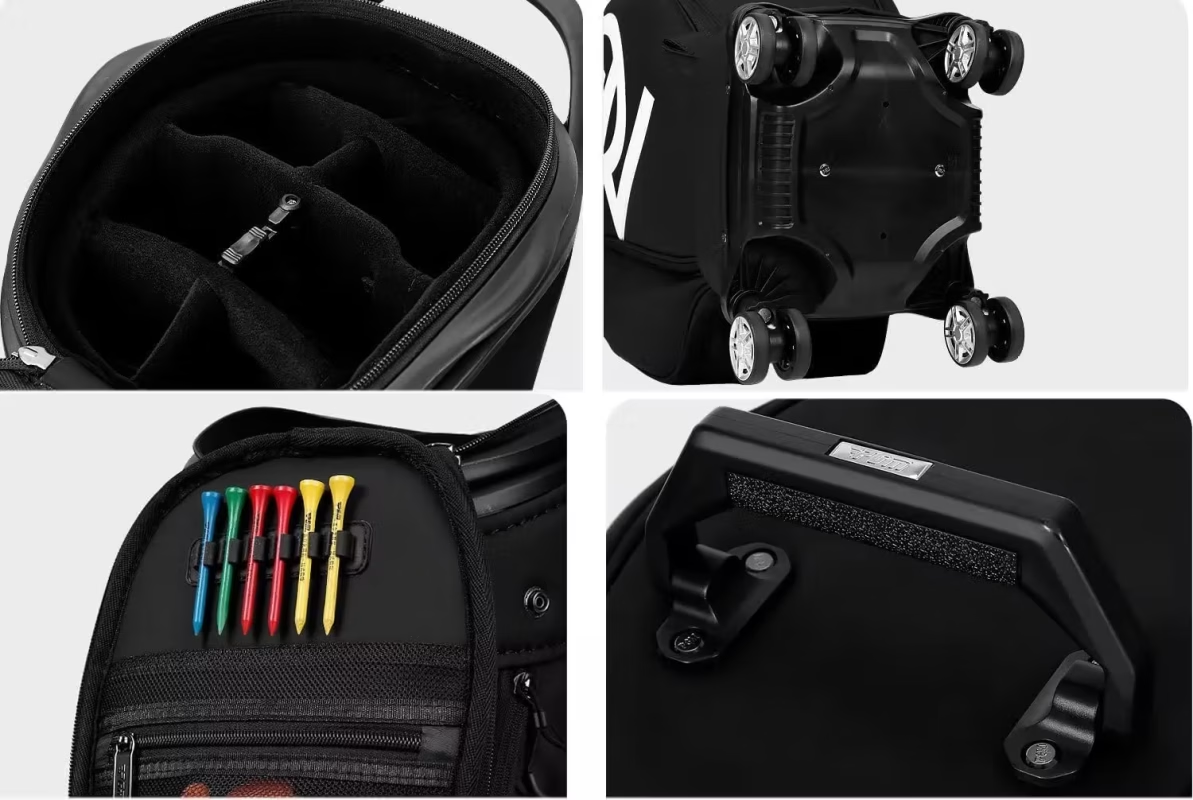
If walking long distances is a challenge, consider golf bags with wheels or upright designs that roll easily. Wheels reduce impact on joints and let you focus on your swing instead of hauling gear. For many older players, a wheeled bag restores independence on and off the course.
Accessible Pockets and Top Access
Large openings and clearly organized pockets eliminate the need for deep reaching or awkward twisting. Value-lined valuables pockets and front-facing compartments keep essentials within easy reach, saving time and strain during a round.
Materials and Maintenance That Support Longevity
Pick materials that tolerate weather and are easy to clean. Durable nylon resists tears, while water-resistant finishes keep your clubs dry without adding weight. Regular maintenance, such as wiping zippers, drying pockets, and checking strap fasteners, ensures that any golf bag you choose offers both comfort and security. The right golf clubs are put into a high-quality golf bag to maximize their effectiveness.
Matching a Bag to Your Routine: Walk, Cart, or Travel
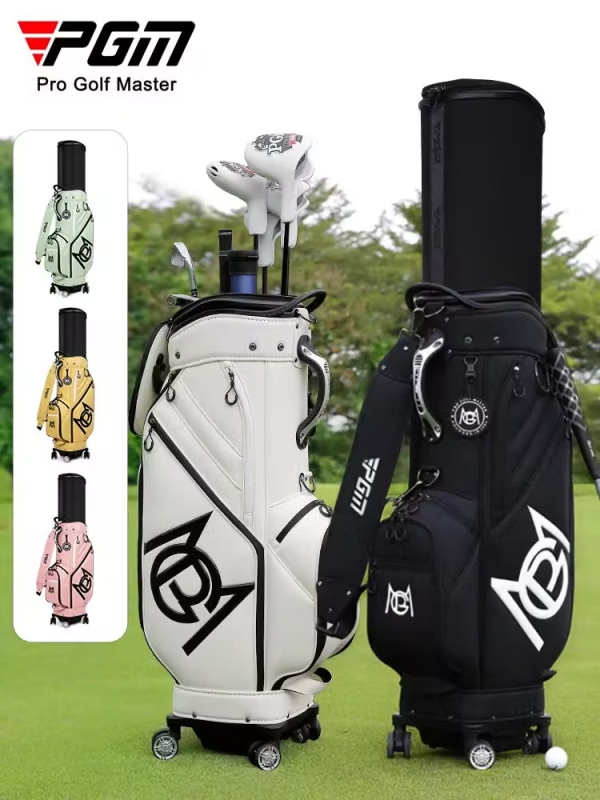
Not all golf bags suit every lifestyle. If you walk the course regularly, prioritize lightweight designs and comfortable straps. If your club rides in a cart, a cart-oriented bag with a stable top and organized pockets may be better. For older players who travel, look for bags that roll or have protective features so you can move through airports without lifting heavy luggage.
A practical example: for players seeking mobility and effortless transitions, an upright golf bag can be a great choice. Its smooth-rolling wheels, multiple carry options, and easy-access compartments reduce lifting and bending, letting you move with confidence between car, clubhouse, and tee.
Practical Routines for Less Pain and More Play
Small habits make ergonomic design even more effective:
- Pre-load your bag with only what you’ll need for the round. Less weight = less fatigue.
- Use a short warm-up and gentle stretches before carrying your bag to loosen shoulders and hips.
- When lifting, bend your knees and engage your legs rather than straining your back.
- After the round, unstrap and let the bag air-dry before storing upright to keep padding resilient.
These practices, combined with the right golf bags, create a low-friction path to regular play.
Buying Checklist for Older Golfers
Before you buy, walk through these points:
- Does the bag have padded, wide straps that sit comfortably?
- Can the bag stand securely without requiring awkward force?
- Does it offer rolling or dual-carry options if needed?
- Are pockets reachable without deep bending?
- Is the material easy to clean and weather-resistant?
- Does the bag’s layout keep heavy items low for balance?
Answering “yes” to most of these means the golf bags you choose will support mobility and reduce daily wear-and-tear.
Final Recommendations
Investing in ergonomically designed golf bags is a practical way to play longer and feel better on the course. For players who want wheels, easy access, and a premium feel that reduces lifting, consider an upright golf bag—it blends smooth mobility with organized storage so you spend your energy on the swing, not on carrying gear. Pair a thoughtful purchase with simple routines, and you’ll keep rounds comfortable for years.
Find ergonomic golf bags that improve comfort and mobility—choose your next bag today.