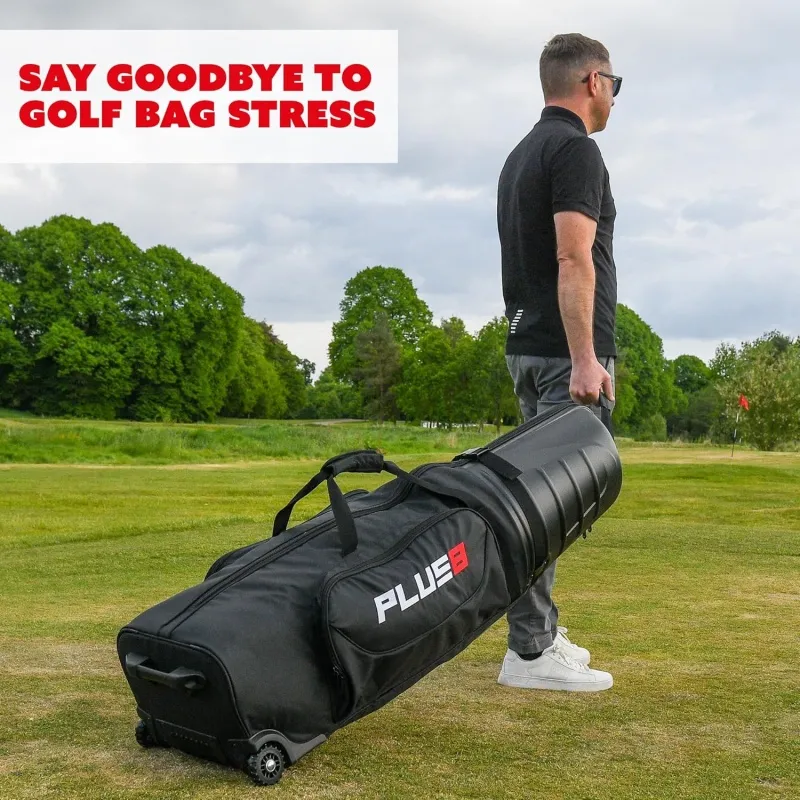
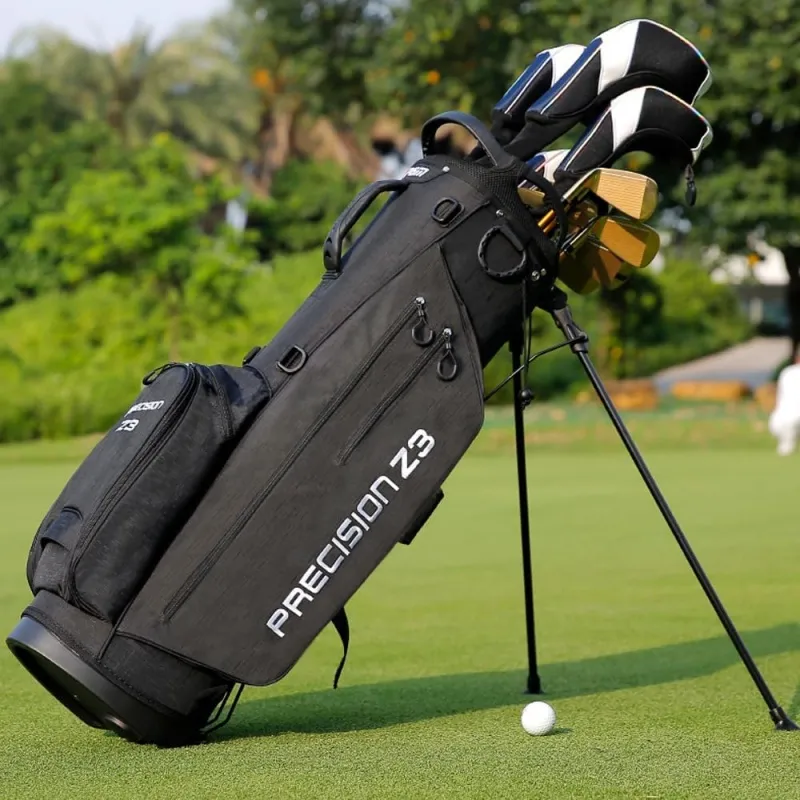

Short-game practice is where scores drop and confidence climbs—but only if your routine is smooth. The right golf bags turn a messy practice session into focused reps by keeping clubs accessible, tools organized, and transition time minimal. This article explains why compact golf bags are underrated training partners, how to set one up for effective short-game work, and which features to prioritize if you want more productive minutes around the greens.
Why Compact Golf Bags Make Practice Better
Many players treat their golf bags like a storage locker: toss everything in and hope for the best. That approach kills momentum. Compact bags encourage discipline—you pack only what you need, reach for the right wedge without fuss, and stay engaged with the drill instead of hunting for tees. In short, a tidy bag reduces friction and helps you repeat quality shots until they stick.
What to Look for in a Practice-Friendly Compact Golf Bag
1. Easy Top Access and Smart Dividers
During short-game sessions you swap wedges and a putter frequently. A top that lets you grab clubs quickly is worth more than extra pockets. Look for dividers that keep wedges together and separate them from longer clubs so you don’t fumble when working on trajectory or spin.
2. Purposeful Pocketing for Training Aids
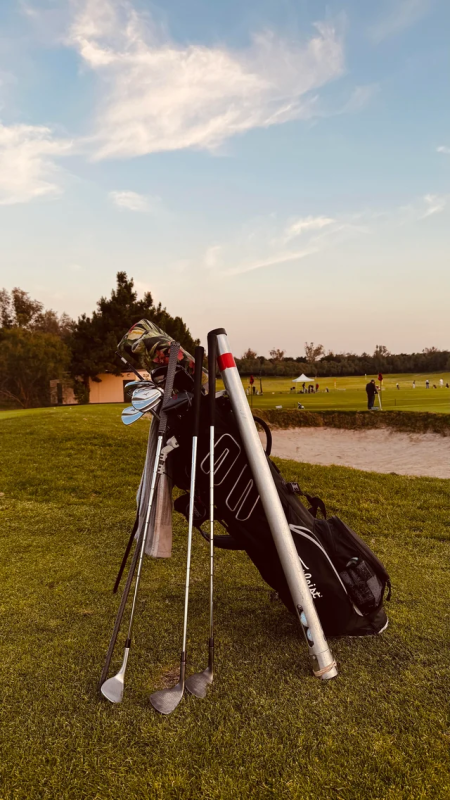
Alignment sticks, a launch wedge, and a small putting mirror all deserve homes. Compact golf bags with a couple of dedicated pockets make these tools visible and ready, which means you actually use them—and that’s the real secret to improvement.
3. Carry Comfort and Lightweight Balance
Practice often means walking between stations. A lightweight bag that distributes weight evenly keeps you fresh for more reps. Don’t prioritize storage over carry comfort; if a bag is comfortable, you’ll practice longer.
4. Stable Stand or Base for Quick Stops
A bag that tips over mid-drill breaks concentration. A stable stand or flat base ensures your clubs stay put and your focus doesn’t. The right compact golf bags deploy with confidence and let you reset quickly between shots.
Set Up Strategies for Focused Short-Game Sessions
A deliberate bag setup turns aimless practice into a structured workout.
- Top slot plan: Place your scoring clubs—sand wedge, lob wedge, and pitching wedge—in the top divider. Put the putter in an easy-to-reach slot.
- Pocket logic: Keep practice balls, tees, and a small notebook in one external pocket; alignment tools go in another. This minimizes motion and maximizes focus.
- Reduced load: Remove bulky items like extra shoes or heavy rain gear during practice. The lighter the bag, the less you worry about balance and the more you swing.
- Towel and marker placement: Clip your towel near the top opening and put ball markers in a small front pocket so your routine flows without searching.
When your golf bags reflect this plan, your mind stays in practice mode instead of playing bag manager.
Practice Drills That Benefit Most From a Compact Bag
Certain drills reward efficiency:
- Wedge roulette: Rapidly rotate through 5–10 shots with each wedge—each swap should be a smooth tap, not a mini scavenger hunt.
- Up-and-down circuit: Move between bunker, chip, and putt zones; a compact bag simplifies transitions and keeps pace up.
- Two-club challenge: Work only with a wedge and a putter to sharpen scoring touch. Your bag should make that minimalist setup effortless.
These exercises work better when your golf bags help you move, not slow you down.
The Most Suitable Golf Bags: Make Compact Practical With a Cart-Ready Twist
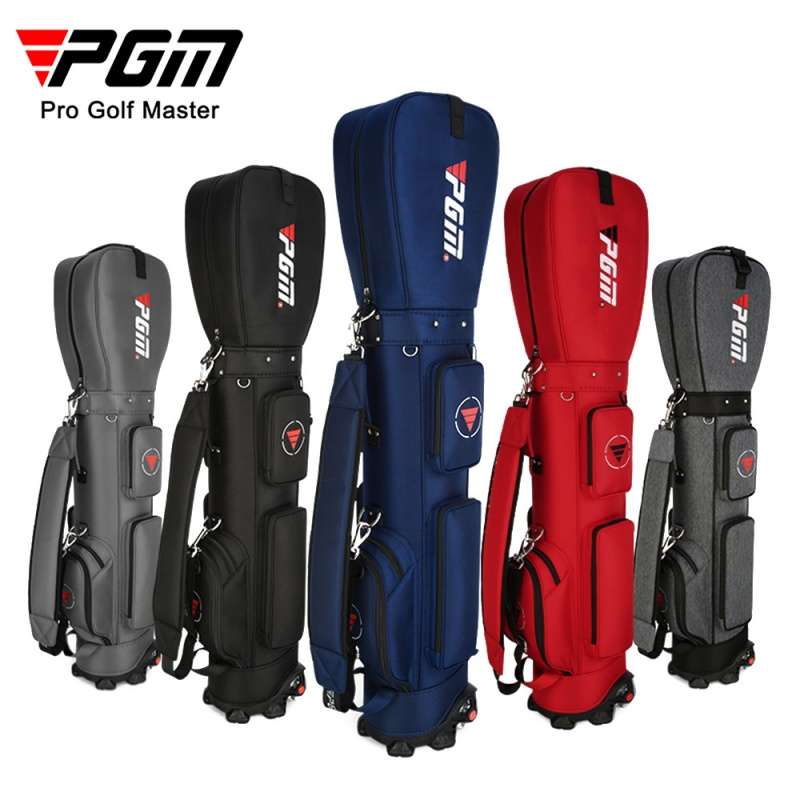
If you want a compact bag that still offers organization for serious practice, consider adapting a practical model like the Golf Cart Travel Bag (trolley version) for range days. Use its neat divider layout to store wedges in a top group and reserve pockets for alignment tools and range balls. Though designed as a cart-friendly option, its structured compartments make it a surprisingly good choice for players who want a balance between practice utility and travel resilience.
Natural setup: keep wedges in the top rail, training aids in side pockets, and a lightweight towel clipped nearby—the bag supports practice without turning into a hauling chore.
Maintenance Tips to Keep Your Practice Bag Ready
Practice adds wear. Keep your compact golf bags working by:
- Wiping the top opening after sandy sessions to prevent abrasion.
- Emptying pocket debris weekly to keep zippers moving.
- Checking stand joints for looseness and tightening before a practice block.
A small bit of care keeps the bag functional and your practice uninterrupted.
From Practice to Play: Carryover Benefits

A compact practice setup trains not just shots but habits. Quick transitions, organized pockets, and a lightweight carry make it easier to replicate game conditions on the course. That means when tournament pressure shows up, you’re not only technically prepared—you’re rhythm-ready.
Compact golf bags nudge you toward efficiency, and efficient practice becomes reliable performance.
Conclusion and Recommendation
If your short game needs a tune-up, treat your bag as part of the training program. Prioritize quick access, purposeful pockets, and a stable base. For players wanting to practice versatility with real organization, adapt a cart-friendly model like the Golf Cart Travel Bag for range days—it bridges the gap between structured practice and travel-ready durability. Get your bag working like a coach, and your short game will repay the favor.
Use compact golf bags to streamline short-game practice. Organize wedges, tools, and drills—improve faster with a practice-ready golf bag setup.